Diary of a CEO #15: The Technology Nobody Talks About
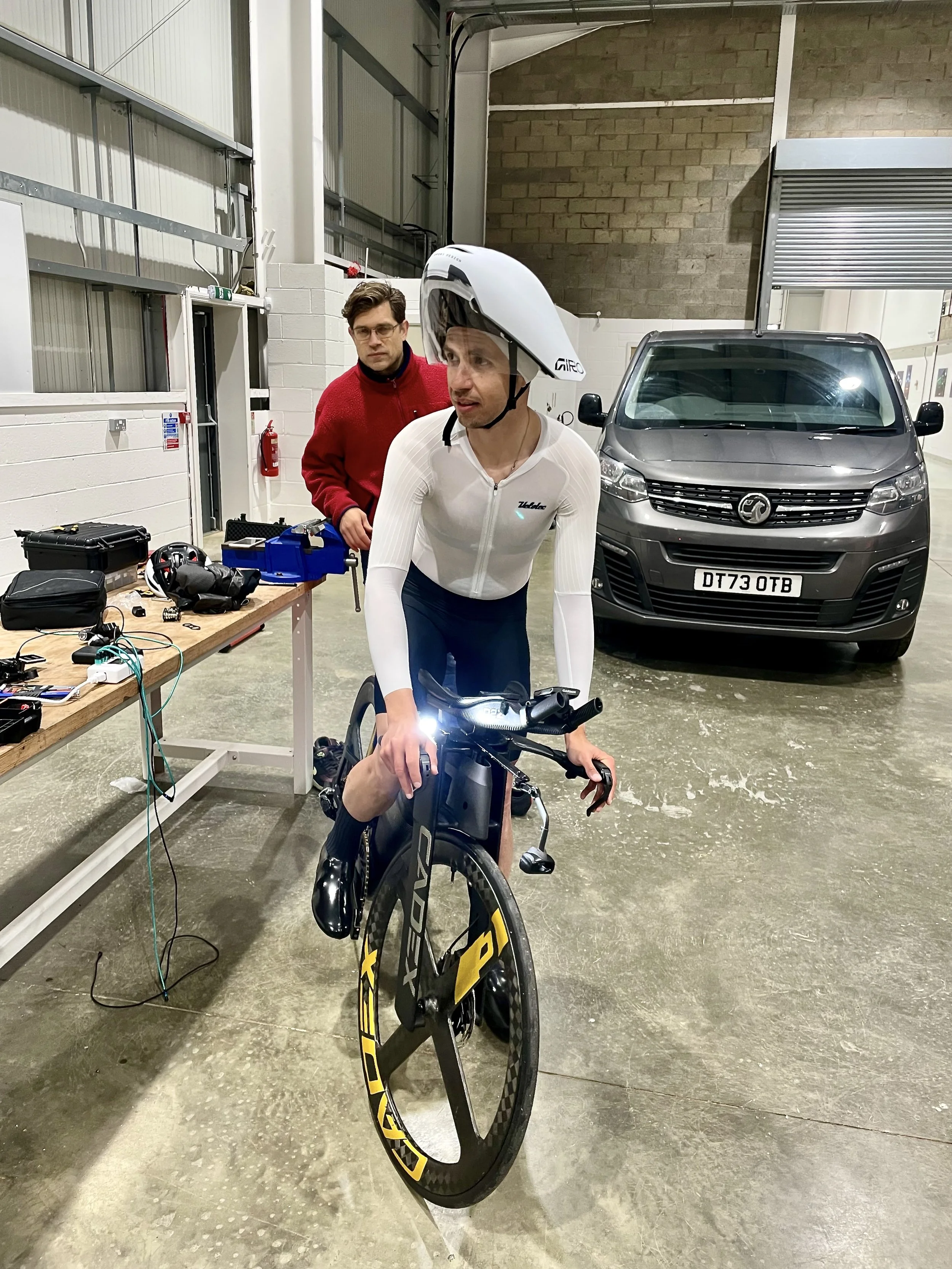
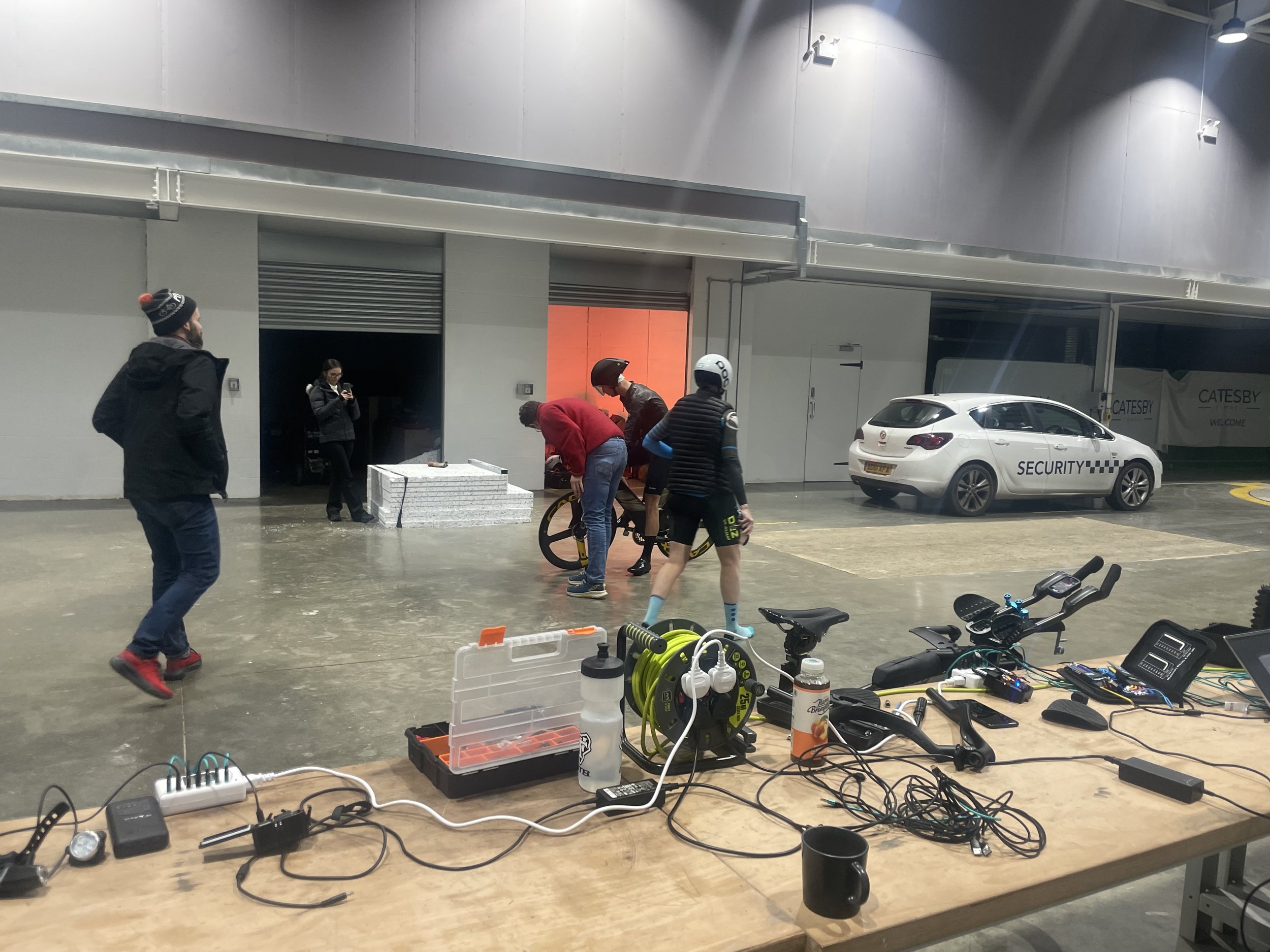
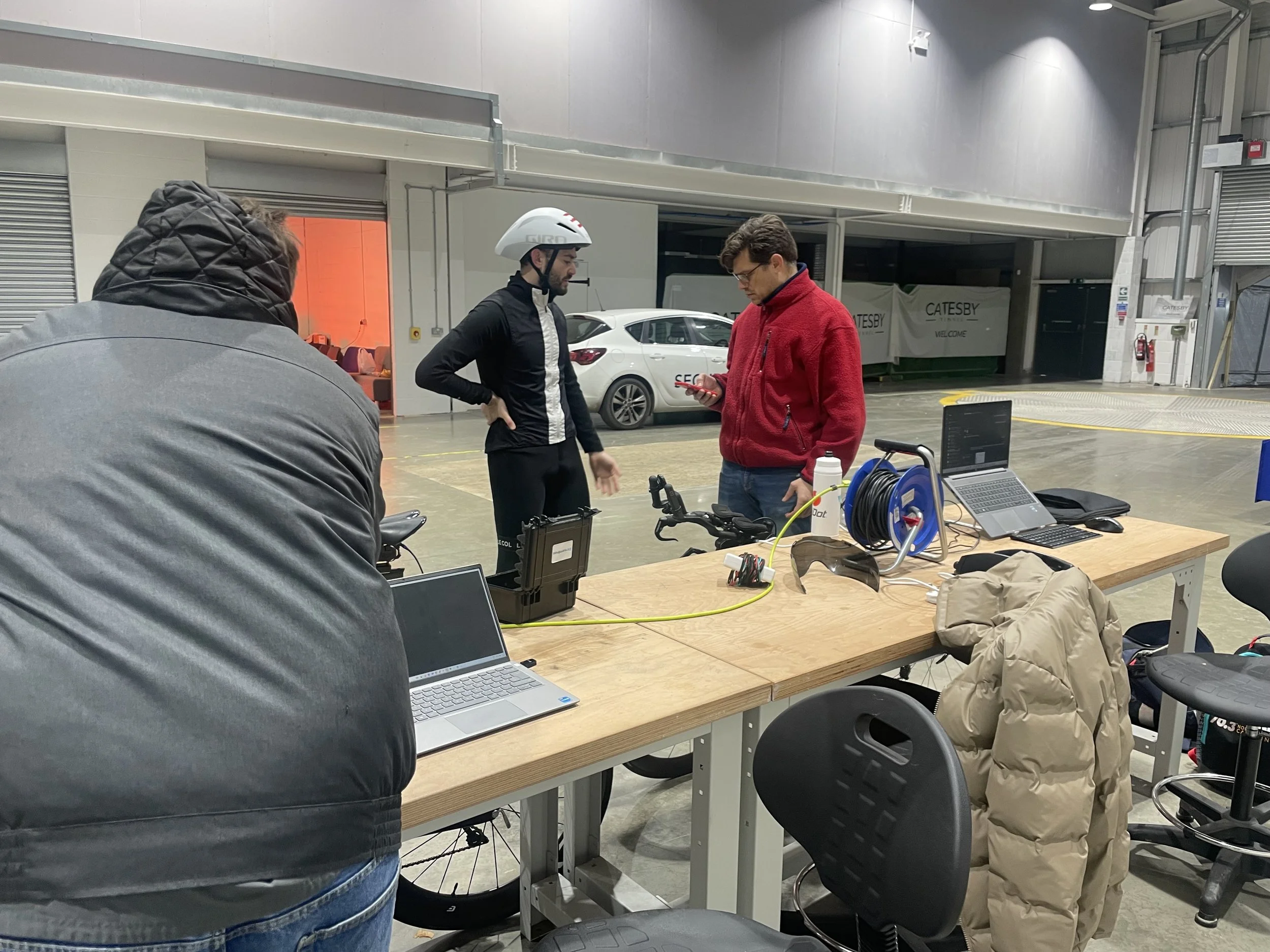
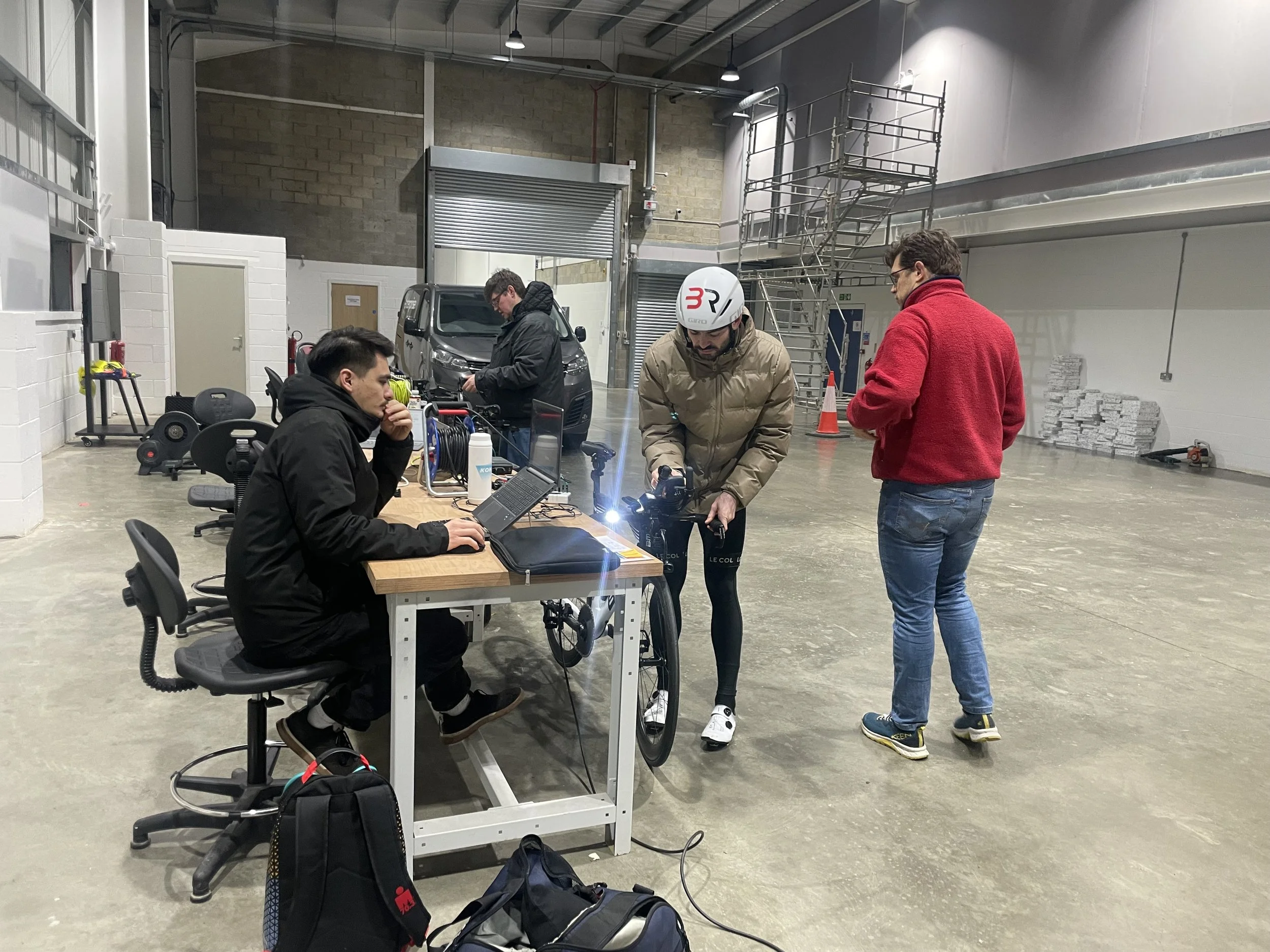
A few months ago, I was standing beside a rider reviewing performance data after a test session.
The rider asked a simple question.
“What was the difference?”
On paper, the answer looked insignificant.
A few watts.
A few seconds.
A tiny change in position.
A small adjustment to equipment.
Nothing that would grab headlines.
Nothing that would look impressive in a marketing campaign.
Yet those tiny changes can be the difference between winning and losing.
And that’s what fascinates me about performance technology.
Most people only notice the visible innovations.
The new bike.
The new helmet.
The new wheelset.
The new skinsuit.
But some of the most important technology in sport is the technology nobody sees.
The technology nobody talks about.
The technology quietly working in the background.
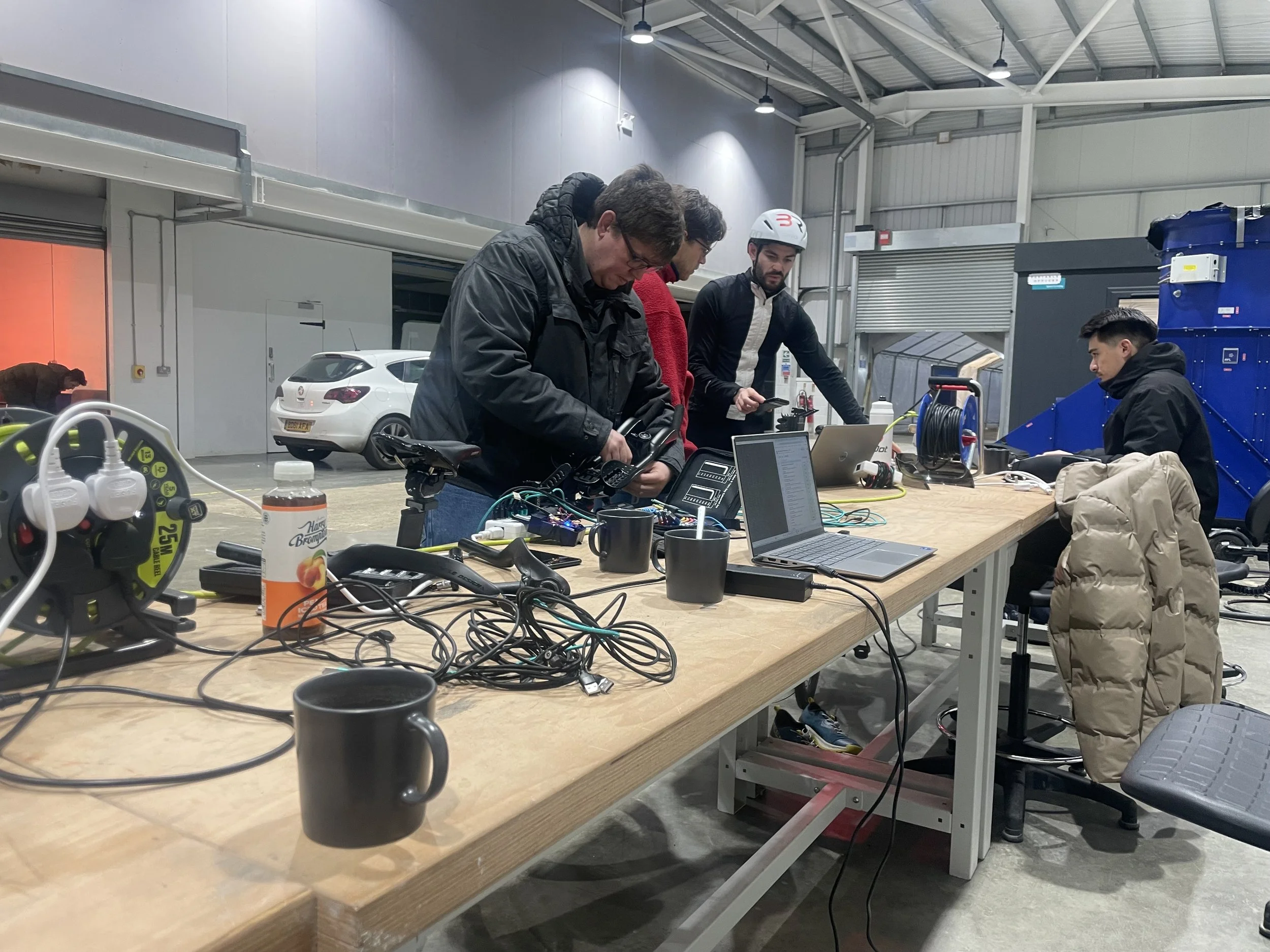
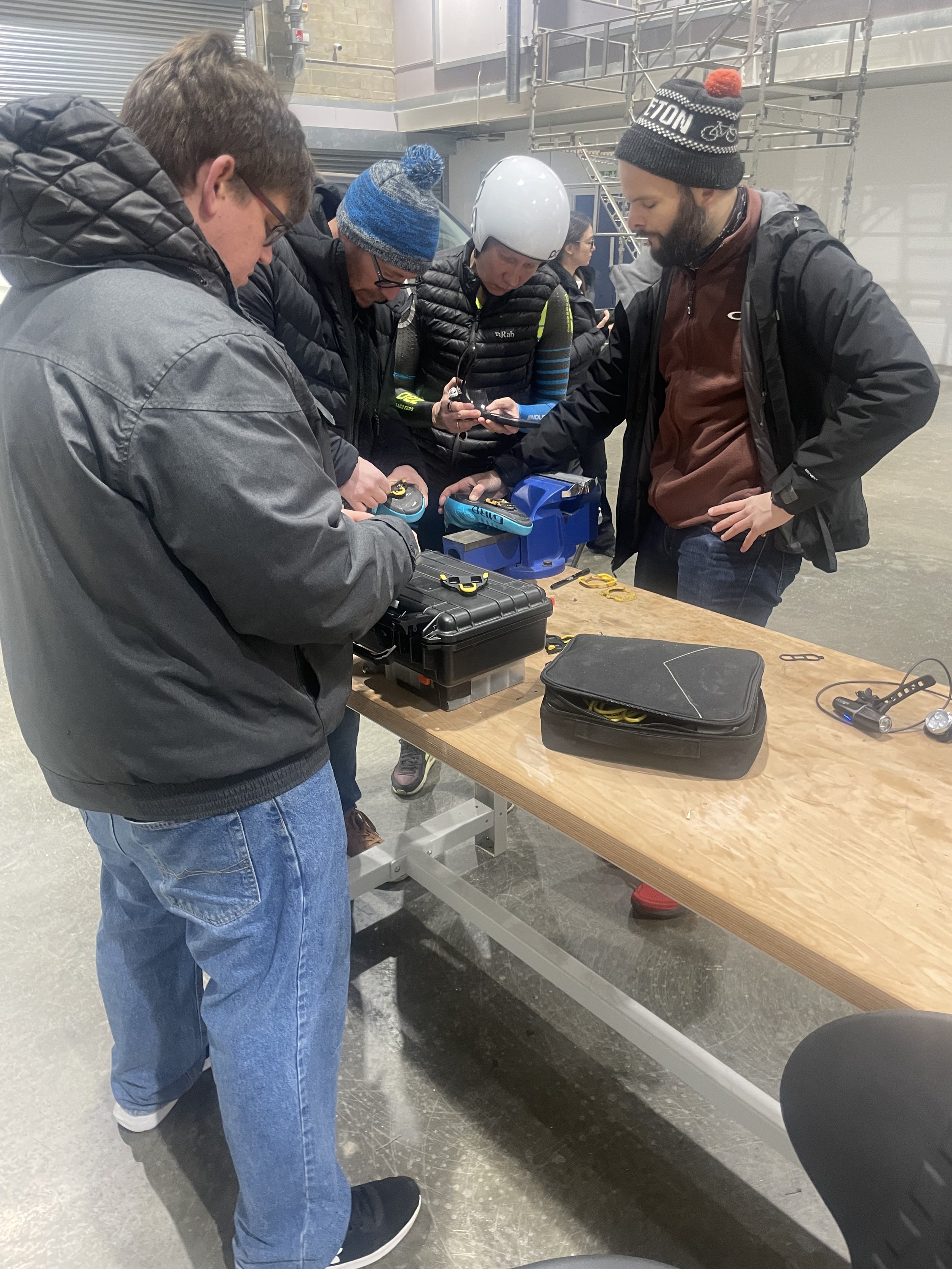
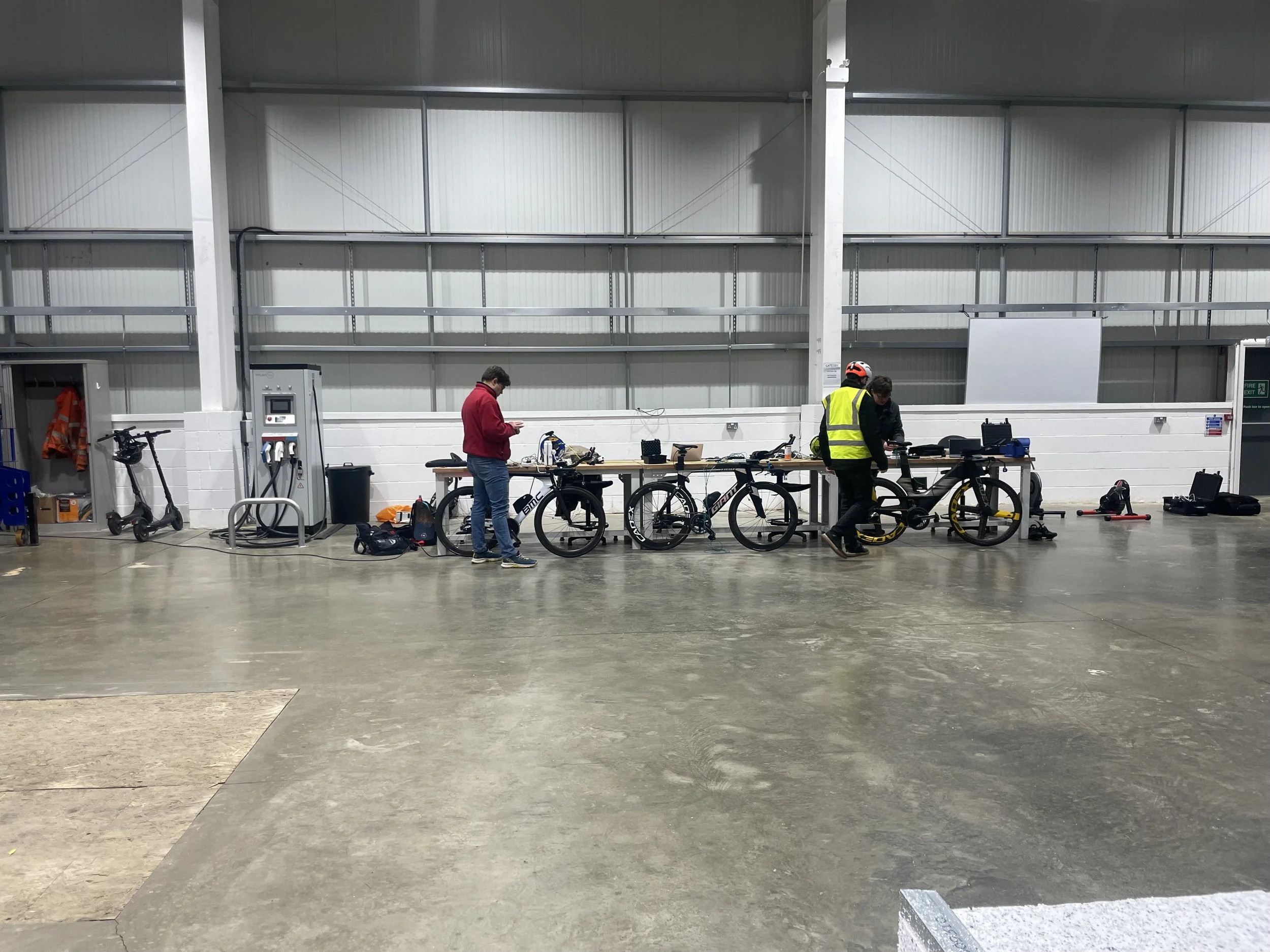
Over the past few years, I’ve had the opportunity to work alongside athletes, engineers, sports scientists, bike fitters and performance specialists from around the world.
One thing I’ve learned is that elite performance is rarely about one revolutionary breakthrough.
It’s usually the result of hundreds of small improvements working together.
A sensor that reveals a hidden weakness.
A position change that saves a few watts.
A tyre pressure adjustment that improves rolling efficiency.
A recovery metric that prevents overtraining.
A piece of data that challenges an assumption.
None of these things are particularly exciting on their own.
Together, they can completely change an athlete’s performance.
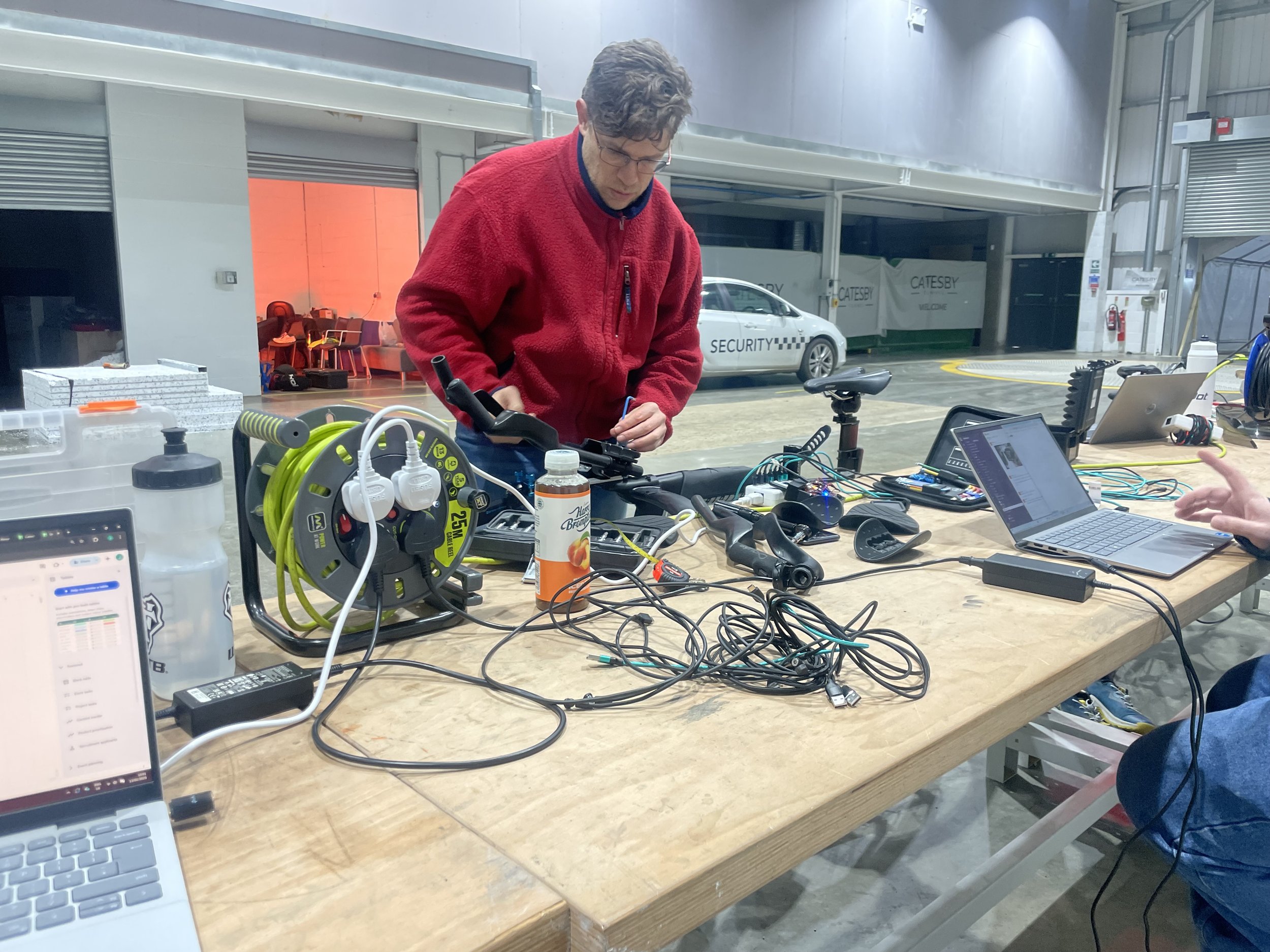
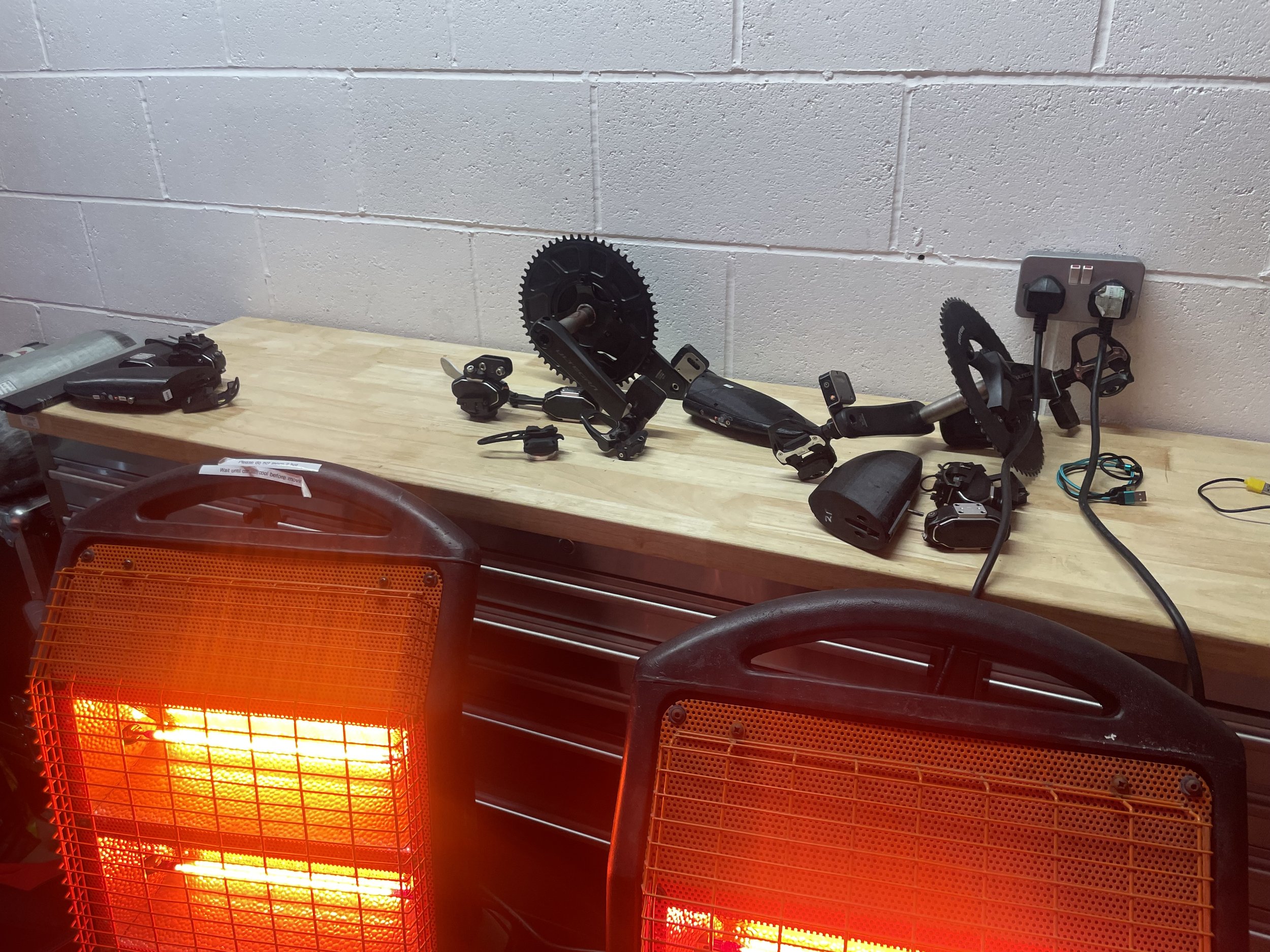
That’s why at Race Lab we’ve become increasingly interested in technologies that most people never hear about.
Not because they’re trendy.
Because they’re useful.
Pressure mapping systems.
Muscle oxygen monitoring.
Aerodynamic analysis tools.
Real-time physiological data.
Brake telemetry.
Performance tracking platforms.
Equipment testing methodologies.
These aren’t products designed to generate likes on social media.
They’re tools designed to answer questions.
And in high-performance sport, better questions often lead to better results.
One thing I find interesting is how often technology is misunderstood.
People assume technology replaces experience.
I believe the opposite.
The best technology amplifies experience.
Data doesn’t replace coaching.
It enhances coaching.
Sensors don’t replace athletes.
They help athletes understand themselves better.
Technology doesn’t make decisions.
People do.
Technology simply provides information that wasn’t previously available.
The challenge isn’t collecting data.
The challenge is knowing which data matters.
We’re living in a world where information has become incredibly accessible.
The risk is becoming overwhelmed by it.
More numbers don’t automatically create better outcomes.
More technology doesn’t automatically create better performance.
The real advantage comes from understanding which signals deserve your attention and which ones are simply noise.
That’s something we’re constantly exploring through Race Lab, Supermond Bikes and the various projects we’re involved with around the world.
Not because we’re obsessed with technology.
Because we’re obsessed with understanding performance.
The technology is simply a tool.
The real goal is insight.
And perhaps that’s the technology nobody talks about.
Not the sensors.
Not the devices.
Not the software.
The ability to turn information into understanding.
Because information is everywhere.
Understanding is rare.
For those interested in a deeper look at some of the technologies, testing projects and development work we’re currently involved in, I’ve shared additional behind-the-scenes content on our Patreon page, including data from recent projects and some exciting developments currently underway.
As always, thank you for following the journey.
We’re still testing.
Still learning.
Still asking questions.
And we’re only scratching the surface of what’s possible.
This Week’s Lesson
Technology doesn’t create performance.
Understanding does.
What I’m Working On
Race Lab performance technology projects.
Advanced aerodynamic testing initiatives.
Supermond development programmes.
Exploring new ways to measure rider performance.
What I’m Thinking About
What technology has had the biggest impact on your work, business or performance over the last five years?
See you in Episode 16.
— Raymund Afoakwa
Founder, Raymund Afoakwa Consulting
Co-Founder, Supermond Bikes